Making the decision to have bariatric surgery is a big step, and we know it’s not one to take lightly. At our Southwest Bariatircs, we want you to have all the information and support you need before deciding if surgery is right for you.
If you’re curious about weight loss surgery but not quite ready to attend a seminar or book a consultation, we invite you to meet our Bariatric Nurse, Alison, for a free one-on-one discussion.
Alison has years of experience supporting patients on their bariatric journey. In this relaxed, no-obligation chat, she can:
- Answer your questions about surgery options and what to expect
- Explain the preparation and recovery process
- Discuss lifestyle changes and support services available
- Help you understand whether or not surgery might be right for you
You can meet Alison in person at our clinics in Campbelltown or Gregory Hills or arrange a phone chat if that’s easier.
Take the first step toward better health without pressure or cost.
To book your free session with Alison, contact our friendly team today.
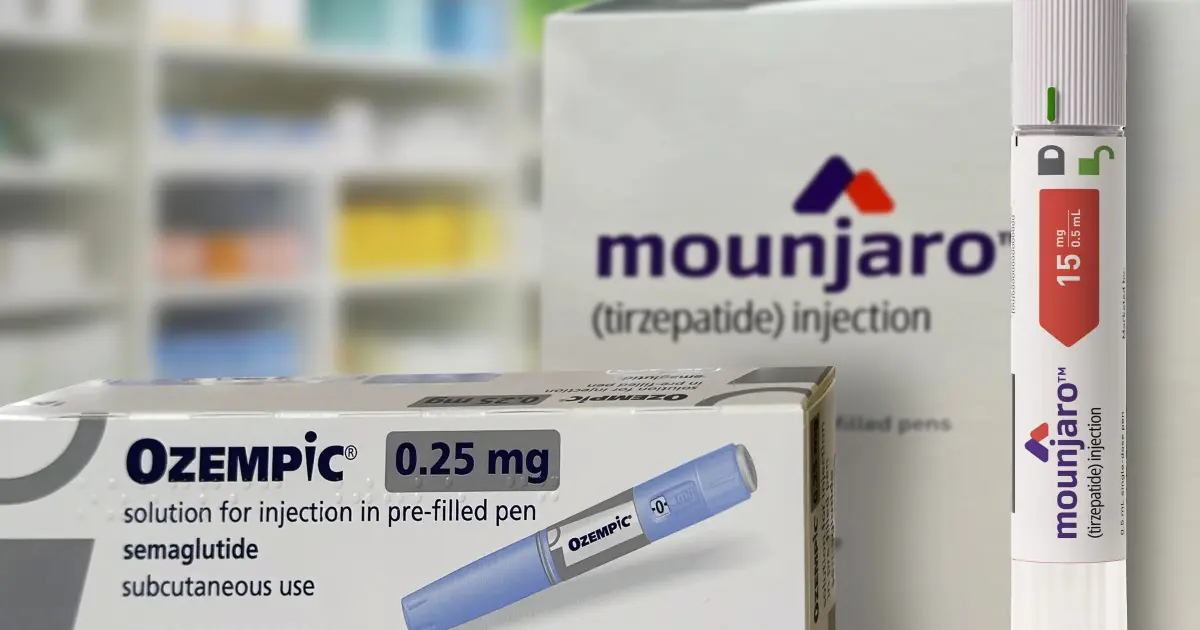
Weight loss medications are no longer just an alternative to surgery. They’re now a powerful tool to enhance results before and after bariatric procedures. Combining medications like Ozempic® (semaglutide) or Mounjaro® (tirzepatide) with surgery can improve weight loss outcomes by 15–30% in some patients (ASMBS, 2023). If you’re waiting for surgery or have already had a sleeve gastrectomy or bypass but struggle with weight regain, these medications may offer critical support.
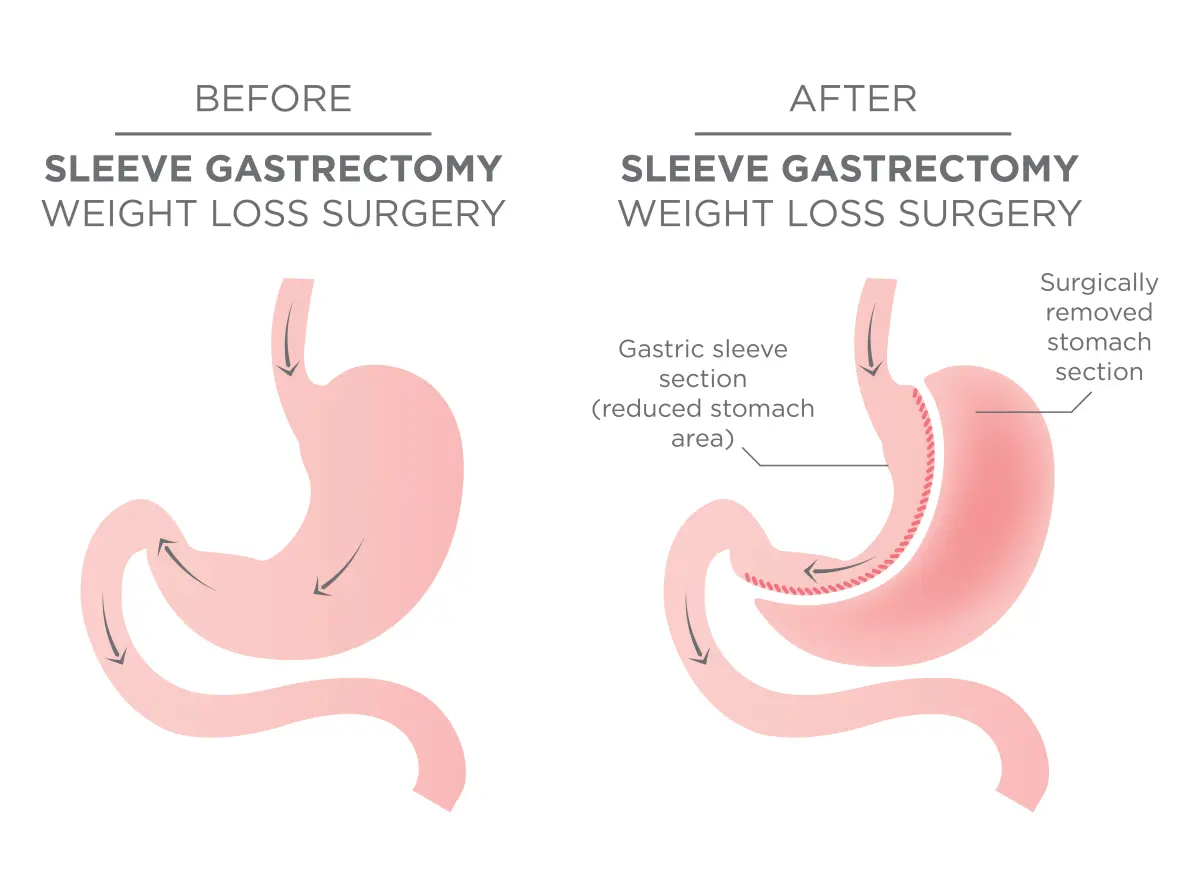
Considering gastric sleeve surgery in Sydney? You're not alone. Sleeve gastrectomy is a popular, safe, and effective weight loss option for people struggling with obesity. This page provides a clear and comprehensive overview of the procedure, how it works, and what to expect before and after surgery.
If you're thinking about weight loss surgery, gastric sleeve surgery (also known as sleeve gastrectomy) is one of the most effective and widely performed procedures in Australia. At Southwest Bariatrics, we’ve been performing sleeve gastrectomy since we began in 2011 and have completed more than 3,000 successful operations. Our team supports you every step of the way, from your first consultation through surgery and long-term follow-up care.
We’ve included links to helpful articles that explore each part of the journey in more depth.
What Is Sleeve Gastrectomy?
Sleeve gastrectomy is a minimally invasive weight loss procedure performed using keyhole (laparoscopic) surgery. During the operation, about 80% of the stomach is removed, leaving behind a long, narrow tube or "sleeve." This significantly reduces the amount of food you can eat and helps you feel full sooner.
The surgery also reduces hunger by lowering levels of the hormone ghrelin, which is produced in the part of the stomach that is removed. Patients typically lose a significant amount of weight and see improvements in health conditions like type 2 diabetes, sleep apnoea, high blood pressure, and joint pain.
You can read more about what sleeve gastrectomy is and how it works.
How Does Sleeve Gastrectomy Work?
Sleeve gastrectomy works in multiple ways. It is not just about reducing the size of the stomach. The surgery affects your hormones, appetite, and gut-brain signaling in powerful ways.
- The part of the stomach removed produces ghrelin, the hormone that makes you feel hungry. With less ghrelin, your appetite naturally reduces.
- Changes in gut hormone levels after the operation improve blood sugar control and insulin sensitivity.
- The smaller stomach capacity means you eat less, feel full sooner, and stay full longer.
Learn how sleeve gastrectomy leads to weight loss.
The Operation: What to Expect
Gastric sleeve surgery is performed under general anaesthesia and usually takes about one hour. It’s done laparoscopically, using small incisions, which helps reduce pain and speeds up recovery.
Most patients stay in hospital for two nights and return to light duties within two weeks. We will guide you through your hospital stay, recovery plan, and long-term support.
After surgery, your diet progresses in stages to allow your stomach to heal:
- Phase I – Free fluids after gastric sleeve surgery
- Phase II – Puree diet following sleeve gastrectomy
- Phase III – Soft diet after gastric sleeve surgery
- Phase IV – Returning to a normal diet after sleeve gastrectomy
You can learn about the surgical steps involved in sleeve gastrectomy or watch our sleeve gastrectomy animation.
Frequently Asked Questions
It’s normal to have questions about life before and after surgery. Our gastric sleeve FAQ page answers the most common queries about recovery, weight loss, food, supplements, and more.
Risks and Complications
While sleeve gastrectomy is a safe and well-established procedure, like all operations it carries some risks. These include bleeding, leaks from the staple line, and narrowing (stricture) of the sleeve. These complications are rare and usually treatable when identified early.
Our team provides clear pre-operative education and close follow-up to reduce your risk and help you feel confident going into surgery. We focus on early detection and prevention, along with patient education, to minimise your risk. You can read more about the risks and complications of sleeve gastrectomy here.
Sleeve Gastrectomy and Acid Reflux
Some patients may develop or worsen reflux after sleeve surgery, while others notice an improvement. Whether reflux improves or worsens depends on your anatomy and pre-existing symptoms. Learn more about sleeve gastrectomy and acid reflux.
Am I a Candidate for Gastric Sleeve?
Gastric sleeve surgery is a proven and effective treatment for individuals living with obesity, particularly when traditional weight loss methods have not yielded lasting results. According to the 2022 ASMBS/IFSO guidelines, you may be a suitable candidate for sleeve gastrectomy if:
- Your BMI is 35 or higher, regardless of the presence or absence of obesity-related health conditions
- Your BMI is between 30 and 34.9 and you have metabolic disease, such as type 2 diabetes, or have not achieved substantial or durable weight loss through non-surgical methods
- You are from an Asian background and have a BMI of 27.5 or higher, recognising that obesity-related health risks occur at lower BMI thresholds in this population
Surgery may not be appropriate if you have untreated mental health conditions, substance use problems, or severe heart or lung disease. A full evaluation helps ensure surgery is safe and effective for you. Check the eligibility criteria for obesity surgery.
Gastric Sleeve vs Gastric Bypass
While the gastric sleeve is the most common operation in Australia, gastric bypass may be a better choice for some people, especially those with severe reflux, uncontrolled diabetes, or a history of other weight loss procedures.
Bypass and sleeve work differently in how they affect digestion, hormone levels, and long-term weight loss. It’s important to choose the option that best matches your health goals and medical background. Compare gastric sleeve and gastric bypass surgery here.
Start Your Journey With Us
If you're ready to take the next step toward better health, our experienced team is here to help. At Southwest Bariatrics, you can choose to see either Dr Ali Zarrouk or Dr Rachel Kirby for your consultation. We’ll guide you through every stage of care including surgery, diet, lifestyle changes, and lifelong follow-up.
Consultations are available in both Campbelltown and Gregory Hills.
Joining one of our free weight loss surgery seminars is also a great way to learn more and take the first step in your journey.

Bariatric surgery is a powerful intervention for people living with obesity. While most patients focus on weight loss, the benefits of surgery extend far beyond the number on the scale. Improvements in blood pressure, blood sugar, sleep apnoea, joint pain, and fatty liver disease are among the many positive health outcomes.
But as with any medical intervention, it's important to set realistic expectations — especially when it comes to how much weight you might lose. This guide is designed to help you reflect on your personal goals, compare them with current evidence, and start planning for long-term success.
Step 1: Establish Your Starting Point
Please record your height and baseline weight. You will use these later to calculate estimated weight loss based on the type of bariatric surgery you're considering.
Your baseline weight is the weight you had before starting any kind of weight loss effort, such as a diet, medication, or pre-surgery program.
This is the number used to calculate your total weight loss after bariatric surgery. It includes all the weight you lose throughout the entire process, not just after the operation.
If you began a supervised diet or took weight loss medication before surgery, your baseline weight is still the weight you were before those treatments began.
Step 2: Define Your Personal Weight Goals
Everyone comes into bariatric surgery with different expectations. Some people dream of returning to the weight they were in their twenties. Others just want to be able to walk without pain or sleep through the night.
To help guide your thinking, we encourage you to write down your weight goals using four categories. These aren’t just numbers — they’re reflections of how you see your health, your body, and your future.
Take a moment now to grab a piece of paper and write down your: dream weight, happy weight, acceptable weight, and disappointed weight. This will help you clearly understand your expectations before moving forward.
🔵 Dream Weight
“Dream weight" is the ideal weight someone envisions if they could achieve any weight they desired.”
This is your ideal weight — the number you’d choose if there were no limitations. It might be the lowest adult weight you’ve ever had, or simply a weight you associate with confidence and ease. This goal may or may not be medically realistic, but it can be a helpful starting point.
🟢 Happy Weight
“Happy weight" is a weight a person would be content to maintain, though not as ideal as their "dream weight"”
This is a weight where you feel healthier, more mobile, and confident in your own skin — even if it’s not your lowest possible weight. It’s often a realistic, sustainable goal that you could maintain long-term with reasonable effort.
🟡 Acceptable Weight
“A weight that you would not be particularly happy with, but one that you could accept.”
Your acceptable weight is a compromise between aspiration and reality. It’s where you’d still notice real health improvements — like reduced medications or less joint pain — even if it doesn’t match your personal ideal.
🔴 Disappointed Weight
“You would feel disappointed if this were your final weight after surgery.”
This is the weight where you might feel the surgery didn’t meet your expectations.
Once you’ve jotted down your answers, keep them handy. In the next step, you’ll see what the evidence tells us about average weight loss after different types of bariatric surgery — and how your goals compare.
Step 3: Evidence-Based Weight Loss Expectations
Bariatric surgery outcomes are typically expressed as percentage of total weight loss (%TWL). This refers to the amount of your starting body weight that is lost after surgery. Current research indicates the following averages:
- Sleeve Gastrectomy (SG): 20–30% TWL
- Roux-en-Y Gastric Bypass (RYGB): 25–35% TWL
- One Anastomosis Gastric Bypass (OAGB): 27-37% TWL
These figures are based on large studies of patients one to two years post-surgery.
While some patients do lose more than the average amount of weight after surgery, these outcomes are less common. It's natural to believe we might be among those who do exceptionally well, but it's important to remember that the average results are based on large groups of real patients over time. These averages represent successful outcomes for most people. If you achieve a typical result for your procedure, that is still something to be proud of. It means the surgery has worked as expected and is helping to improve your health.
Step 4: Compare Your Goals to What’s Realistic
Now that you know the typical weight loss expected from different types of bariatric surgery, it’s time to compare those outcomes with your personal weight goals.
Most people lose between 20% and 37% of their starting weight, depending on the procedure and individual factors. This means your dream, happy, or acceptable weight might or might not fall within that expected range. That’s important to understand.
🔵 Dream Weight
If your dream weight is lower than what is usually achieved with surgery, it may not be impossible, but it is less likely. It can still be helpful to name this goal, but understand that reaching it might require additional treatment or long-term lifestyle changes.
🟢 Happy Weight
If your happy weight is within the typical range of total weight loss for your surgery, that’s a good sign. It suggests your expectations are realistic and achievable with consistent effort and follow-up care.
🟡 Acceptable Weight
If your acceptable weight is at or just above the average result, that’s a healthy and flexible mindset. Many people feel satisfied here because they experience meaningful improvements in health and quality of life.
🔴 Disappointed Weight
If your disappointed weight is lower than the typical outcome for the surgery you are considering, that means your expectations are not realistic.
For example, if you currently weigh 130 kg and say you would be disappointed unless you weigh less than 70 kg, you are expecting more than 45 percent total weight loss. This is not typical for any bariatric procedure and may not be achievable, even with excellent adherence to lifestyle changes.
What this means
If you believe the surgery will be a failure unless you reach a weight that most patients do not reach, it is important to pause and re-evaluate your goals. We advise patients to postpone surgery until their expectations align with typical outcomes. Not because you don’t deserve extraordinary results, but because lasting success requires realistic expectations.
Undergoing surgery with unrealistic expectations can lead to dissatisfaction, anxiety, and poor long-term outcomes, even when the surgery itself is successful. Your mindset and goals play a key role in your long-term success.
What to do next
- Talk to your bariatric team about your goals.
- Consider adjusting your weight targets based on the average outcomes of your surgery type.
- Focus on the improvements in health, energy, and quality of life that are likely to come with even moderate weight loss.
Bariatric surgery can be life-changing, but only when you are prepared to work with what it can actually deliver. Accepting realistic outcomes is an essential part of preparing for a safe and successful journey.
Step 5: Success is About More Than Just Weight
Even a 10–15% weight loss can result in major health benefits, including:
- Improved blood pressure and cholesterol
- Reduced blood sugar and medication needs for type 2 diabetes
- Resolution or improvement of sleep apnoea
- Less joint pain and improved mobility
- Better liver function
- Improved fertility and hormonal balance
It’s also normal to regain 5–10% of your body weight after the initial period of weight loss. This is part of your body’s long-term stabilisation and does not indicate failure.
Final Thoughts
Setting realistic goals is a key part of preparing for bariatric surgery. While weight loss is important, the broader impact on your health, quality of life, and daily functioning is equally — if not more — significant.
Use this guide as a personal reflection tool and bring it to your next appointment to discuss your goals with your surgical team.
Bariatric surgery is not about chasing perfection — it’s about achieving better health and sustaining it over time.
What Is BMI and Why Does It Matter Before Bariatric Surgery?
Body Mass Index (BMI) is an internationally recognised standard for classifying overweight and obesity in adults. BMI is calculated by dividing a person’s weight in kilograms by the square of their height in metres. For example, a person who weighs 120 kg and is 1.7 metres tall has a BMI of 41.5. This would place them in the “obesity class 3” range, which is one of the criteria for weight loss surgery.
Limitations of BMI
While BMI is a useful screening tool, it has some limitations. It does not distinguish between fat and muscle, nor does it account for age, sex, or body composition. A muscular athlete, for example, may have a high BMI but low body fat. For this reason, BMI should be considered alongside other factors like waist circumference, metabolic health, and overall fitness.
BMI classifications also vary based on ethnicity. People of Middle Eastern, South Asian, Southeast Asian, and Pacific Islander backgrounds are at higher risk of diabetes and heart disease at lower BMI levels. For some groups, a BMI over 23 is considered elevated risk.
Understanding Ideal Weight
The ideal weight is calculated using the standard BMI value of 25, which is the upper limit of the normal weight range. It is determined by multiplying 25 by the square of the person’s height in metres. Ideal weight provides a reference point to calculate how much “excess weight” a person is carrying, which is commonly used to measure success after surgery.
It’s important to know that your personal goal weight might differ. Many people enjoy excellent health well above their “ideal” BMI if their metabolic risk factors have improved. However, using BMI 25 as a benchmark helps keep things consistent across different patients and surgeries.
What Is Excess Weight?
Excess weight is the difference between your current weight and your ideal weight. For example, if you weigh 120 kg and your ideal weight is 75 kg, your excess weight is 45 kg. This figure is important because it helps track your progress after surgery.
How Is Weight Loss Measured After Bariatric Surgery?
After weight loss surgery, your progress is usually reported in two ways:
- Percent of Excess Weight Loss (%EWL): This is the proportion of your excess weight that you’ve lost. If you had 40 kg of excess weight and lost 20 kg, your %EWL would be 50%.
- Percent of Total Body Weight Loss (%TBWL): This is how much of your overall body weight you’ve lost. If you weighed 120 kg and lost 24 kg, that would be 20% TBWL.
Most modern research now prefers %TBWL because it is easier to compare across patients, regardless of their starting BMI. It’s also a better predictor of long-term health benefits.
To learn more about how success is measured after bariatric surgery, including factors that contribute to weight loss success, read our article on How We Measure Success After Bariatric Surgery .
BMI and Excess Weight Calculator
BMI Classification Chart
| BMI Range | Classification |
|---|---|
| Below 18.5 | Underweight |
| 18.5 – 24.9 | Healthy weight |
| 25.0 – 29.9 | Overweight |
| 30.0 – 34.9 | Obesity (Class 1) |
| 35.0 – 39.9 | Obesity (Class 2) |
| 40.0 and above | Obesity (Class 3 – Severe or Morbid) |
What to Do Next
If your BMI is above 35 and you have health problems like diabetes, sleep apnoea, or high blood pressure, you may be eligible for bariatric surgery. If your BMI is over 40, you may qualify even without other conditions.
For personalised advice or to find out if surgery is right for you, contact our team or attend one of our free bariatric information seminars.